The human gut microbiome — a complex ecosystem of approximately 38 trillion bacteria, fungi, and viruses — has emerged as one of the most important determinants of long-term health. Research published in Cell Host & Microbe has now provided the most detailed roadmap yet for how specific dietary choices reshape this microbial community within as little as 72 hours.
Why Your Gut Bacteria Matter
Gut bacteria are not passive passengers — they actively produce vitamins (B12, K2, several B vitamins), short-chain fatty acids that fuel your colon lining, neurotransmitters including 90% of your body's serotonin, and immune-modulating compounds. A diverse microbiome is consistently associated with lower rates of obesity, diabetes, depression, autoimmune disease, and even cancer.
The Best Foods for Microbiome Diversity
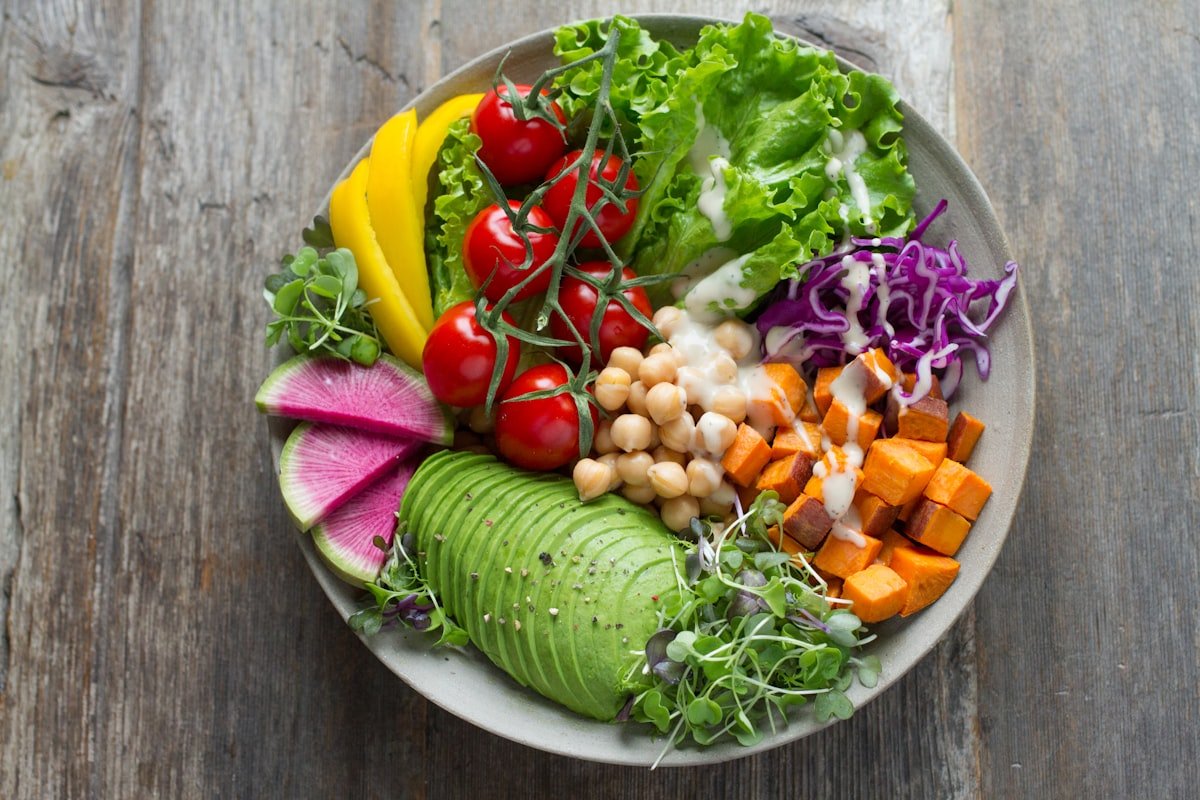
The research identified eating 30+ different plant foods per week as the single strongest predictor of microbiome diversity — stronger even than avoiding processed food. Each plant contains unique types of fiber that feed different bacterial strains.
- Fermented foods (kimchi, kefir, live-culture yogurt, sauerkraut): directly introduce live beneficial bacteria
- Prebiotic fibers (chicory root, Jerusalem artichoke, garlic, onion, leek): feed Bifidobacterium and Lactobacillus
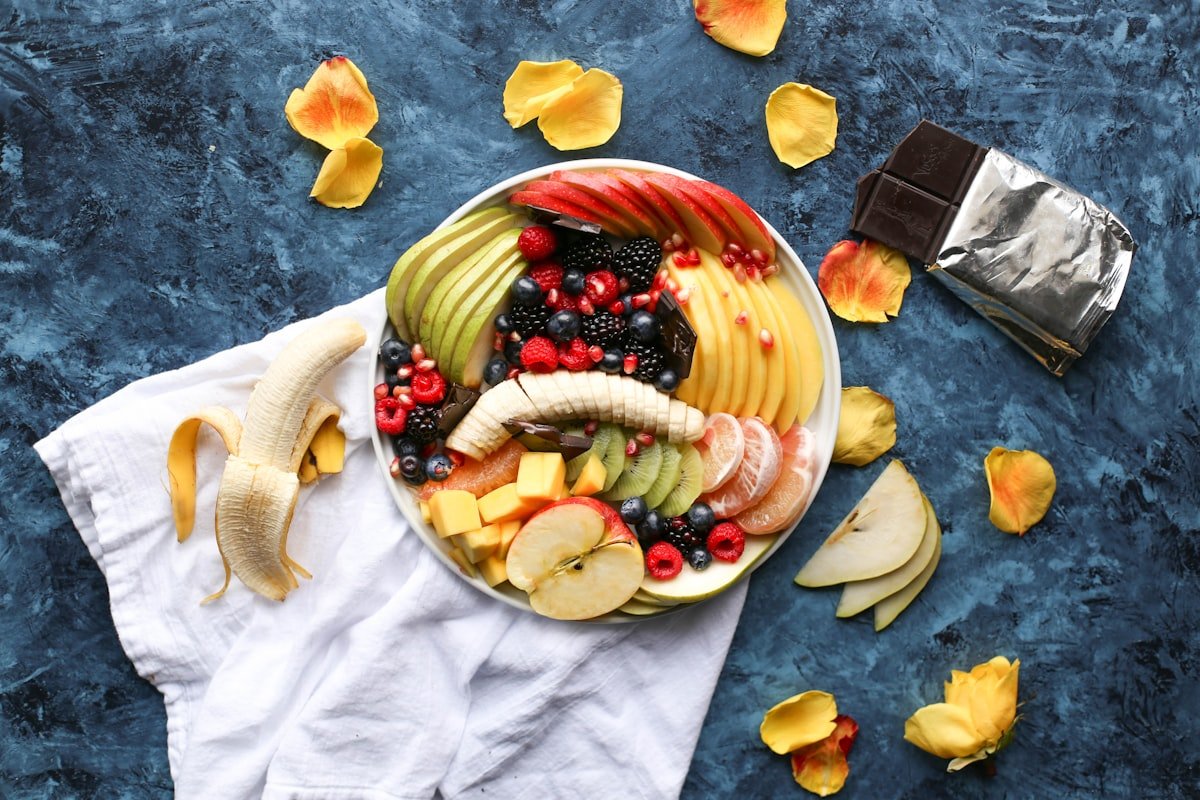
- Polyphenol-rich foods (berries, dark chocolate, green tea, olive oil): gut bacteria convert polyphenols into potent anti-inflammatory compounds
- Legumes (beans, lentils, chickpeas): highest fiber per gram of any food group
- Whole grains: beta-glucan in oats is particularly beneficial for butyrate-producing bacteria
What Harms the Microbiome
A single course of broad-spectrum antibiotics can reduce microbiome diversity by up to 50%, with some species not recovering for months. Ultra-processed foods, artificial sweeteners (particularly sucralose and saccharin), and low-fiber diets all consistently reduce microbial diversity.
"Think of your gut bacteria as a garden. Fiber is fertilizer, fermented foods are seeds, and processed food is weedkiller. What you choose to grow determines your health." — Dr. Tim Spector, King's College London